
Akkermansia and Aging: How to Feed the 'Longevity Microbe' for Better Metabolic Health

“Longevity begins in the gut—by supporting the microbes that strengthen resilience from the inside out.”
Have you ever felt like you’re doing everything “right”: eating the salads, hitting the gym, getting the sleep: yet your energy levels still feel like a flickering candle in a drafty room? Or perhaps you’ve noticed that your metabolism isn't quite as "forgiving" as it used to be?
Think about it. We often talk about aging as an external process: wrinkles, gray hair, maybe a few more "creaks" in the morning. But the real story of how we age is being written deep inside your gut, specifically by a mysterious little resident that most people have never even heard of.
I’m talking about Akkermansia muciniphila.
As a physician focused on longevity and cellular resilience, I’ve spent years looking at the microscopic "gatekeepers" of our health. And let me tell you, if there were a VIP guest list for your microbiome, Akkermansia would be at the very top.
But here’s the problem: as we age, this vital protector starts to disappear.
The Mystery of the Disappearing Gatekeeper
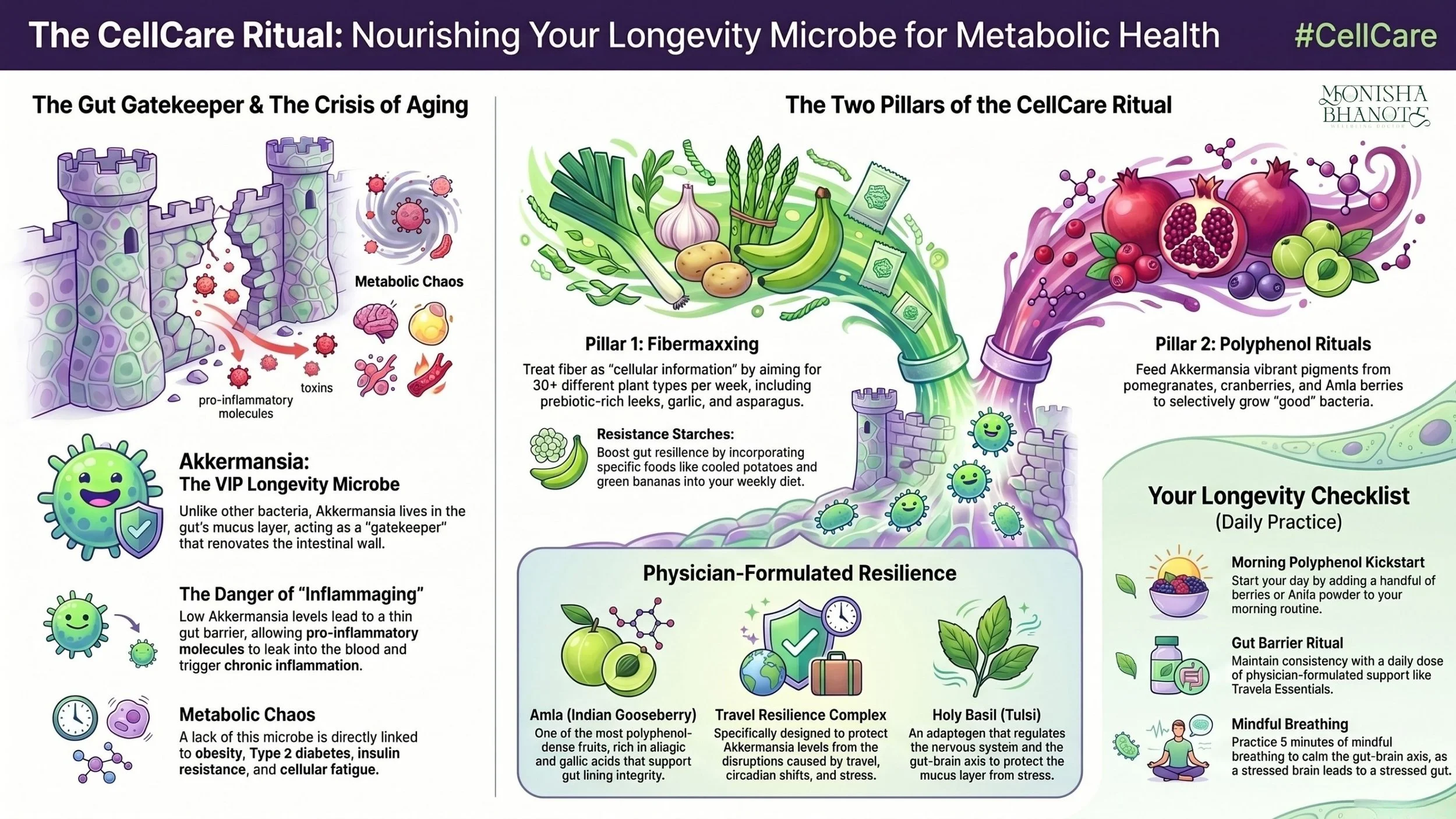
Imagine your gut lining as a grand medieval castle. To keep the kingdom safe, you need two things: a thick, sturdy wall and a vigilant gatekeeper.
In your body, that "wall" is a protective layer of mucus that lines your intestines. It’s the barrier that keeps nutrients in and toxins (like undigested food particles and pathogens) out. The "gatekeeper" is Akkermansia.
Unlike other bacteria that simply hang out in your gut, Akkermansia actually lives in the mucus layer itself. It "eats" the mucus, which sounds counterintuitive, right? But here’s the magic: by munching on the old mucus, it stimulates your body to produce fresh, new, thicker mucus. It’s essentially a constant renovation project for your gut barrier.
When Akkermansia is thriving, your "wall" is strong. When its levels drop: which often happens due to age, stress, and a diet low in plant diversity: the wall thins. This leads to gut dysbiosis (an imbalance of bacteria) and, eventually, "leaky gut."
The Science: Low Akkermansia and 'Inflammaging'
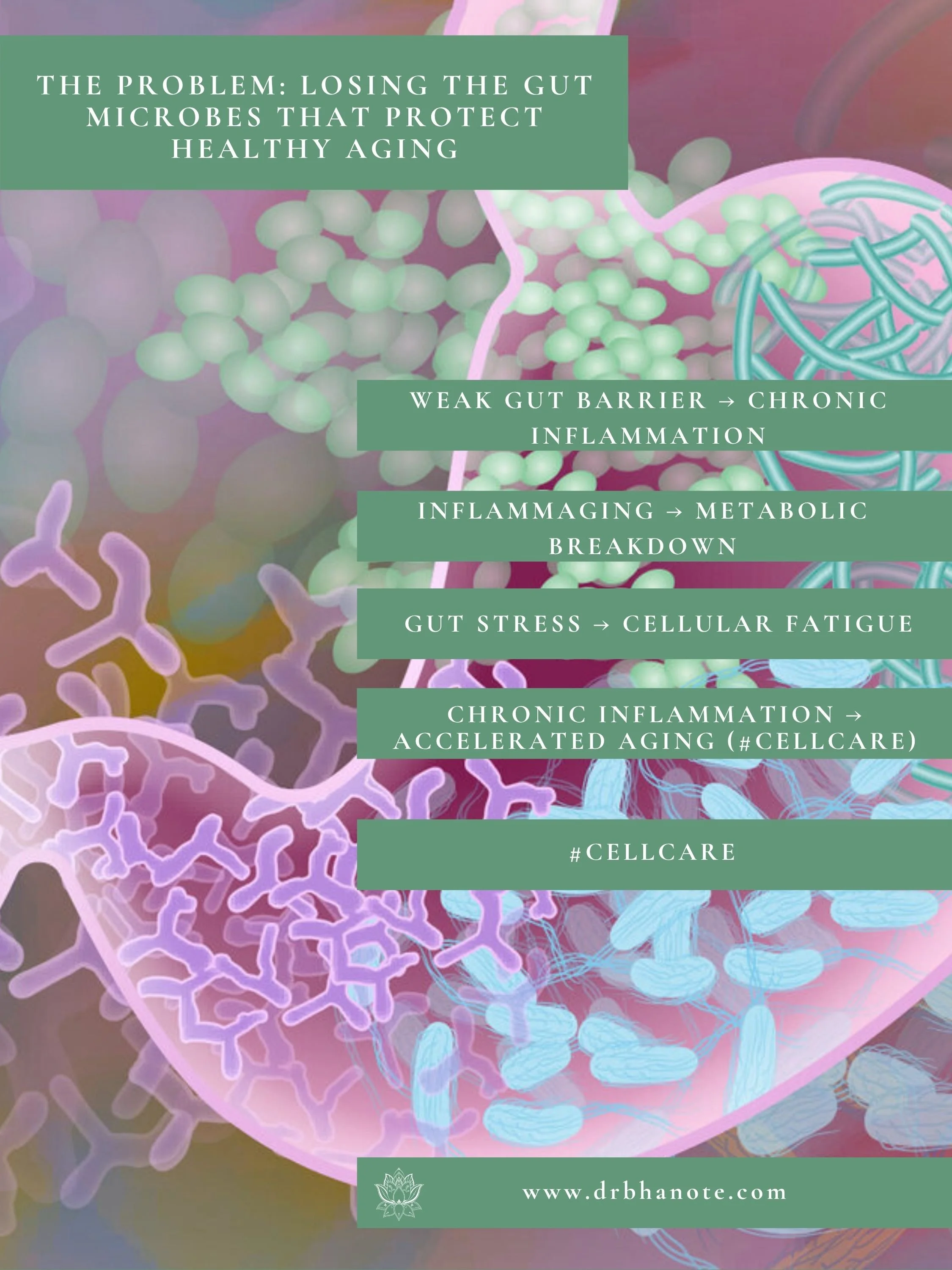
So, why should you care about a tiny microbe disappearing? Because its absence is directly linked to metabolic dysfunction and a process we call inflammaging.
Inflammaging is exactly what it sounds like: chronic, low-grade inflammation that drives the aging process. When your gut barrier is weak, pro-inflammatory molecules leak into your bloodstream. This triggers your immune system to stay on high alert 24/7.
The result?
Metabolic Chaos: Low Akkermansia levels are consistently found in individuals with obesity, Type 2 diabetes, and insulin resistance.
Cellular Fatigue: When your body is busy fighting "leakage" from your gut, your mitochondria (your cellular power plants) can’t focus on giving you energy.
Accelerated Aging: Chronic inflammation is the root cause of almost every age-related disease, from cognitive decline to cardiovascular issues.
This is why simply taking a generic probiotic isn't enough. Most over-the-counter probiotics don't even contain Akkermansia (it’s an anaerobic microbe, making it very difficult to manufacture). To get the benefits, you have to feed it.
So, what is actually happening at a cellular level?
SCFA Disruption: Your gut microbes produce Short-Chain Fatty Acids (SCFAs) like butyrate, which are essential for maintaining your gut lining. When your internal clock is disrupted, SCFA production fluctuates wildly, weakening your intestinal motility (hello, travel constipation).
The "Leaky" Reality: Circadian misalignment disrupts the "tight junction" proteins in your gut. This leads to increased intestinal permeability, commonly known as leaky gut. When this happens, toxins and undigested food particles leak into your bloodstream, triggering low-grade systemic inflammation.
Mitochondrial Mismatch: Your mitochondria, the power plants of your cells, are also governed by circadian signals. When the gut is in chaos, the mitochondria don't get the signals they need to produce energy efficiently, resulting in that deep, bone-weary fatigue that no amount of espresso can fix.
The Gut-Brain-Skin Axis: Why the Glow is Often a Ghost
You might be wondering: "If my gut is in such bad shape, why do I still look okay in my vacation photos?"
The truth is, the skin is often the last place to show the internal fire of inflammation, but once it starts, it’s hard to stop. This is the Gut-Brain-Skin Axis. Your gut health directly influences your skin's barrier function and its ability to retain moisture
When you experience traveler’s dysbiosis, your body releases cortisol (the stress hormone), which can lead to "inflammaging", a state of chronic, low-grade inflammation that accelerates cellular aging and breaks down collagen. You might have the "Glow-mad" aesthetic on the outside thanks to a great serum, but internally, your cellular resilience is flagging.
Think of it this way: your skin is the billboard for your internal health. If the internal "infrastructure" is crumbling due to dysbiosis, the billboard will eventually reflect that.

The CellCare Solution: Feed Your Longevity Microbes
We don’t just want to "survive" aging; we want to design our lifestyle for longevity. That’s the heart of my CellCare philosophy. If we want to restore our metabolic health, we need to treat our microbiome like the sophisticated internal pharmacy it is.
So, how do we bring the gatekeeper back? We use two primary strategies: Fibermaxxing and Polyphenol Rituals.
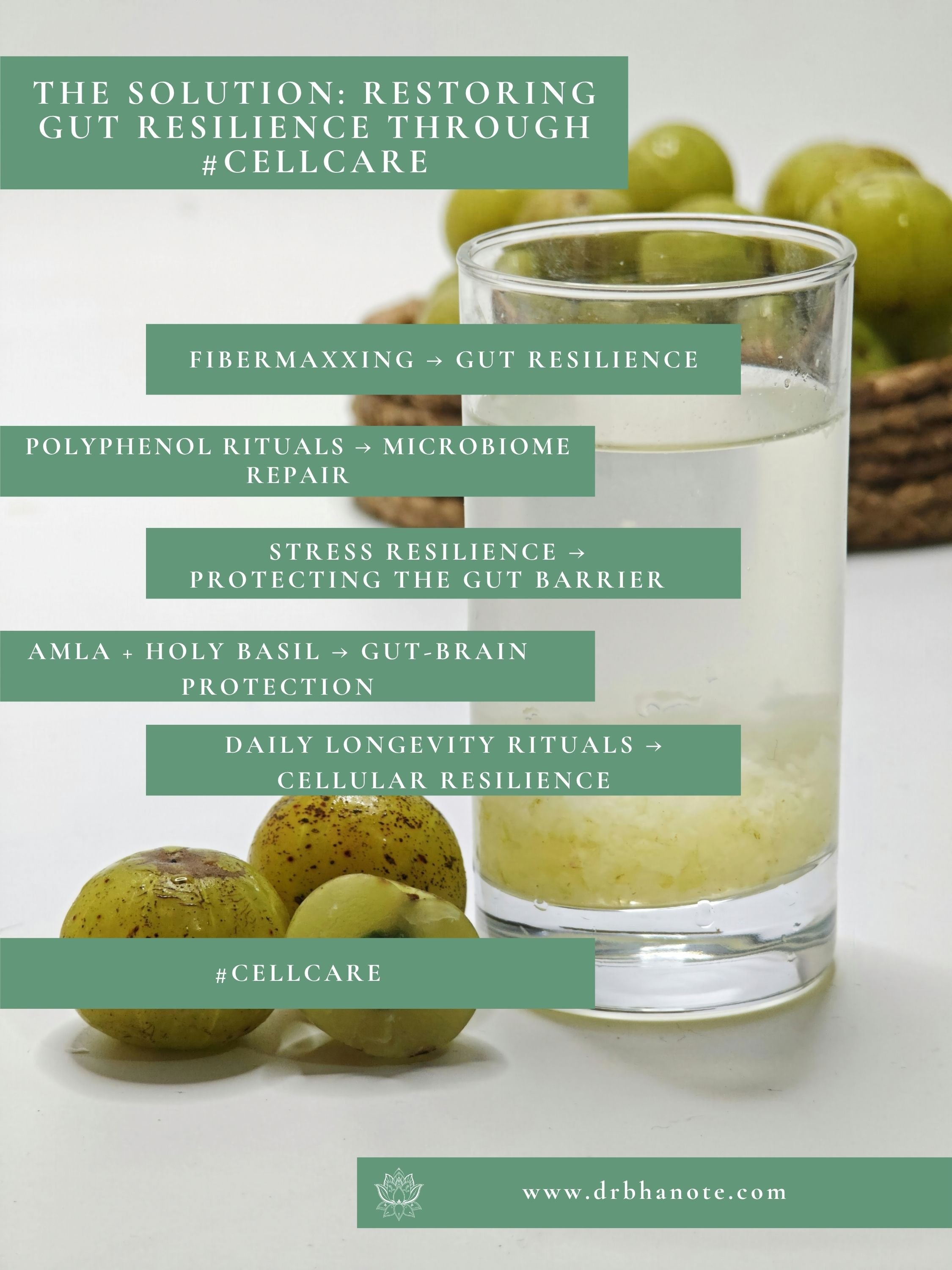
1. Fibermaxxing: The Foundation of Gut Resilience
If you’ve been following my work at the WELLKULÅ Institute, you know I’m obsessed with plant diversity. Akkermansia loves certain types of fibers, particularly those found in whole, plant-forward foods.
Think of fiber not just as "bulk," but as information for your cells. When you consume a variety of fibers, you’re sending a signal to your longevity microbes that it’s time to grow.
Next Steps for Fibermaxxing:
Aim for 30+ different plants per week (herbs and spices count!).
Focus on prebiotic-rich foods like leeks, garlic, onions, and asparagus.
Incorporate resistant starches like cooled potatoes or green bananas.
2. Polyphenol Rituals: The 'Superfood' for Akkermansia
Polyphenols are the vibrant pigments in plants: the deep purples of pomegranates, the rich reds of cranberries, and the bright greens of amla berries. Research shows that Akkermansia absolutely thrives on these compounds. Polyphenols don't just act as antioxidants; they are potent prebiotics. They selectively feed the good guys while keeping the "bad" bacteria in check.
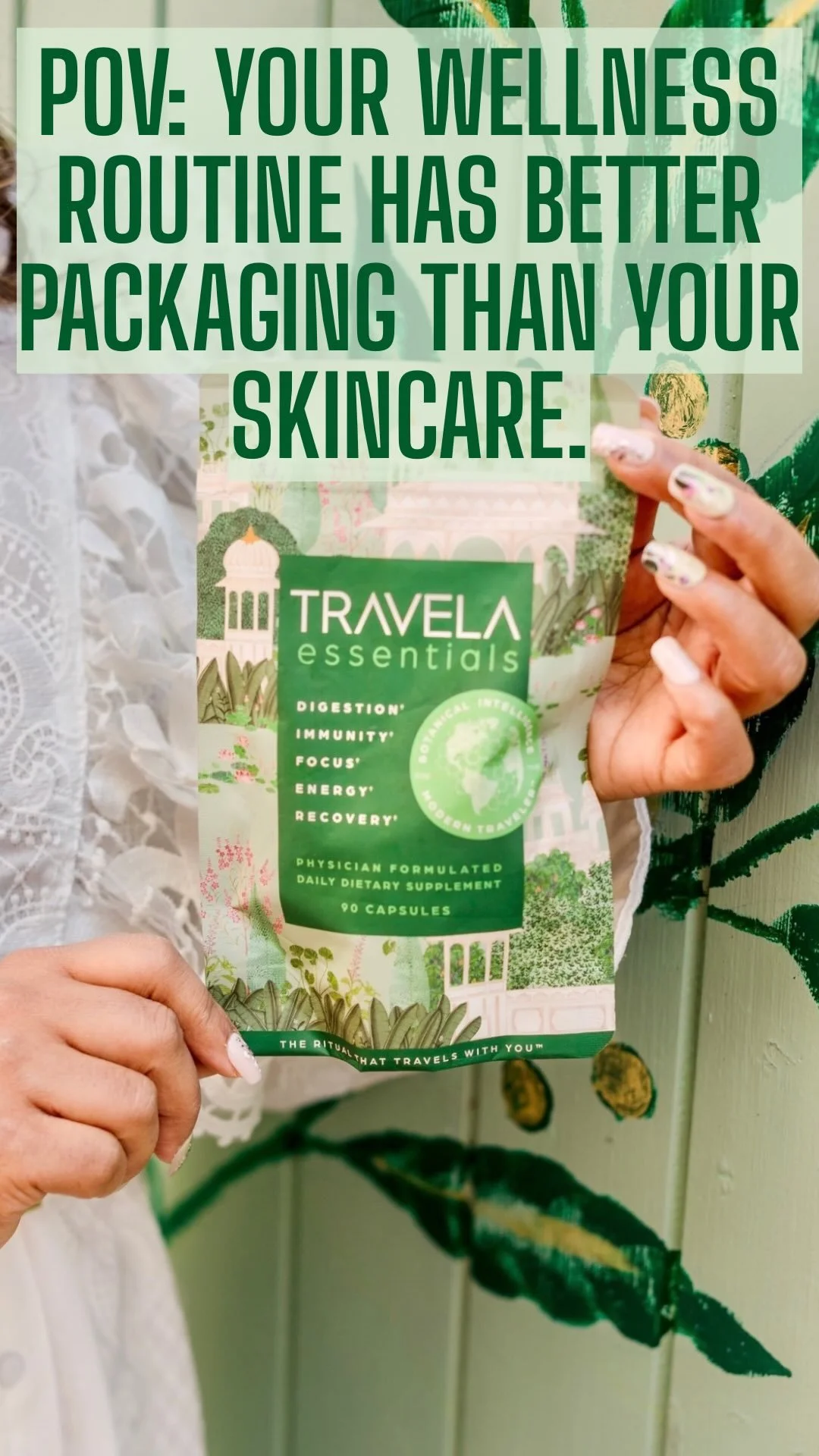
Enter Travela Essentials: Physician-Formulated Gut Support
I created Travela Essentials because I saw so many high-performers struggling with gut issues, especially while traveling. Travel is notorious for wiping out our Akkermansia levels due to circadian rhythm shifts, plane food, and stress.
Our flagship formula includes the Travel Resilience Complex, which features two heavy hitters for gut barrier support: Amla and Holy Basil.
Amla (Indian Gooseberry): This is one of the most polyphenol-dense fruits on the planet. It’s rich in ellagic acid and gallic acid: compounds shown to support the integrity of the gut lining and en- courage the growth of Akkermansia.
Holy Basil (Tulsi): Known as the "Queen of Herbs," this adaptogen helps regulate the nervous system. Since your gut and brain are in constant communication via the gut-brain axis, keeping your stress response in check is vital for maintaining a healthy mucus layer.
By incorporating these into your daily ritual, you aren't just taking a supplement; you're providing the raw materials for cellular repair.

Putting it into Practice: Your Longevity Checklist
Ready to reclaim your metabolic health? Let’s break this down into actionable "biohacks" you can start today:
1.Start Your Day with Polyphenols: Add a handful of berries or a teaspoon of Amla powder to your morning routine.
2. Prioritize Gut Barrier Rituals: Consistency is key. A daily dose of Travela Essentials provides the physician-formulated support your gut needs to stay resilient against daily stressors.
3. Optimize Your Nervous System: Remember, a stressed brain equals a stressed gut. Practice 5 minutes of mindful breathing to support your gut-brain axis.
4. Deepen Your Knowledge: If you’re ready for a total system reboot, consider a personalized approach like our Cell Revive program, where we dive deep into your unique biology to optimize your longevity.
5. Immerse Yourself: Sometimes, the best way to reset your gut is to step away from the noise. Our upcoming Tuscany Longevity Retreat is designed as a plant-powered gut reset, combining science-backed nutrition with the healing power of the Italian countryside.
We Are Partners in This Journey
I know the world of wellness can feel overwhelming. There’s a new "miracle" pill every week. But I want you to remember: your body already has the blueprint for health. My job is simply to give you the tools and the education to unlock it.
By feeding your "longevity microbes" and focusing on CellCare, you aren't just avoiding disease: you're designing a life of vibrancy, energy, and resilience.
Let's stop ignoring our gut and start feeding our future!



MAKE A DIFFERENCE BY SHARING THIS ARTICLE WITH OTHERS TO ENCOURAGE WELLBEING ⤵
The information on this website has not been evaluated by the Food & Drug Administration or any other medical body. We do not aim to diagnose, treat, cure or prevent any illness or disease. Information is shared for educational purposes only. You must consult your doctor before acting on any content on this website, especially if you are pregnant, nursing, taking medication, or have a medical condition. Our content may include products that have been independently chosen and recommended by Dr. Monisha Bhanote and our editors. We may earn a small commission if you purchase something mentioned in this article.
YOU MAY ALSO LIKE:




by Dr. Monisha Bhanote
✅ EVIDENCE-INFORMED REVIEWED ARTICLE