Are You Making These Common GLP-1 Gut Mistakes? (The Physician’s Guide)

“A smaller body does not always mean a healthier one. Cellular support is what turns weight loss into true longevity.”
Are you finally seeing the number on the scale move, but feeling like a shell of your former self?
Maybe you’re experiencing that "tired-but-wired" exhaustion, or perhaps your digestive system has decided to go on a permanent vacation. If you’re one of the millions of people utilizing GLP-1 medications: like semaglutide or tirzepatide: for weight loss or metabolic health, you already know they are powerful tools. But here’s the truth I tell my patients: a smaller body doesn't automatically mean a healthier one.
In my practice, I’ve seen a recurring pattern. People are so focused on the suppression of appetite that they inadvertently neglect the support of their cellular foundation. We call this CellCare, and when it's missing, GLP-1 side effects can become more than just a nuisance: they can stall your progress entirely.
Think of GLP-1 (Glucagon-Like Peptide-1) as a metabolic conductor. It tells your brain you’re full and slows down gastric emptying (the speed at which food leaves your stomach). While this is great for weight management, it can lead to some major "gut mistakes" if you aren’t careful.
So, what can you do about it? Let’s dive into the common pitfalls and how you can biohack your way to a more resilient version of yourself.

1. The "Skinny-Fat" Trap: Neglecting Protein and Muscle
The biggest mistake I see? Thinking that eating less is the same as eating right. When your appetite is suppressed, it’s incredibly easy to slide into a state of accidental malnutrition.
If you aren't hitting your protein goals, your body will look for amino acids elsewhere: usually by breaking down your hard-earned muscle tissue. This leads to sarcopenia (muscle loss), which actually slows your metabolism in the long run.
The Fix: You must prioritize protein at every meal. Think of it as the building blocks for your cellular architecture. Aim for high-quality, bioavailable sources to ensure your body is losing fat, not muscle.
2. Ignoring the "Great Slowdown" (Gut Dysbiosis)
Because GLP-1 medications slow down your digestion, food hangs out in your gut longer. While this keeps you full, it can also lead to a shift in your microbiome: the trillions of bacteria living in your digestive tract. When food sits for too long, it can ferment in ways that cause bloating, gas, and a condition known as gut dysbiosis (an imbalance of "good" vs. "bad" bacteria). If you’re also skimping on fiber because you "just aren't hungry," you're effectively starving your beneficial microbes.
The Fix: Fiber is non-negotiable. It keeps things moving and feeds the bacteria that produce short- chain fatty acids, which protect your gut barrier. If you can't eat large volumes, focus on fiber-dense, plant-forward choices like chia seeds, raspberries, or steamed leafy greens.
3. The Mitochondrial Energy Gap
Have you noticed a drop in your energy levels since starting your wellness journey? This is often due to mitochondrial burnout. Your mitochondria are the "power plants" of your cells. They take the nutrients from your food and turn them into ATP (energy). When you drastically change your caloric intake and metabolic signaling, your mitochondria can struggle to keep up. This results in that heavy, dragging fatigue that coffee can’t fix.
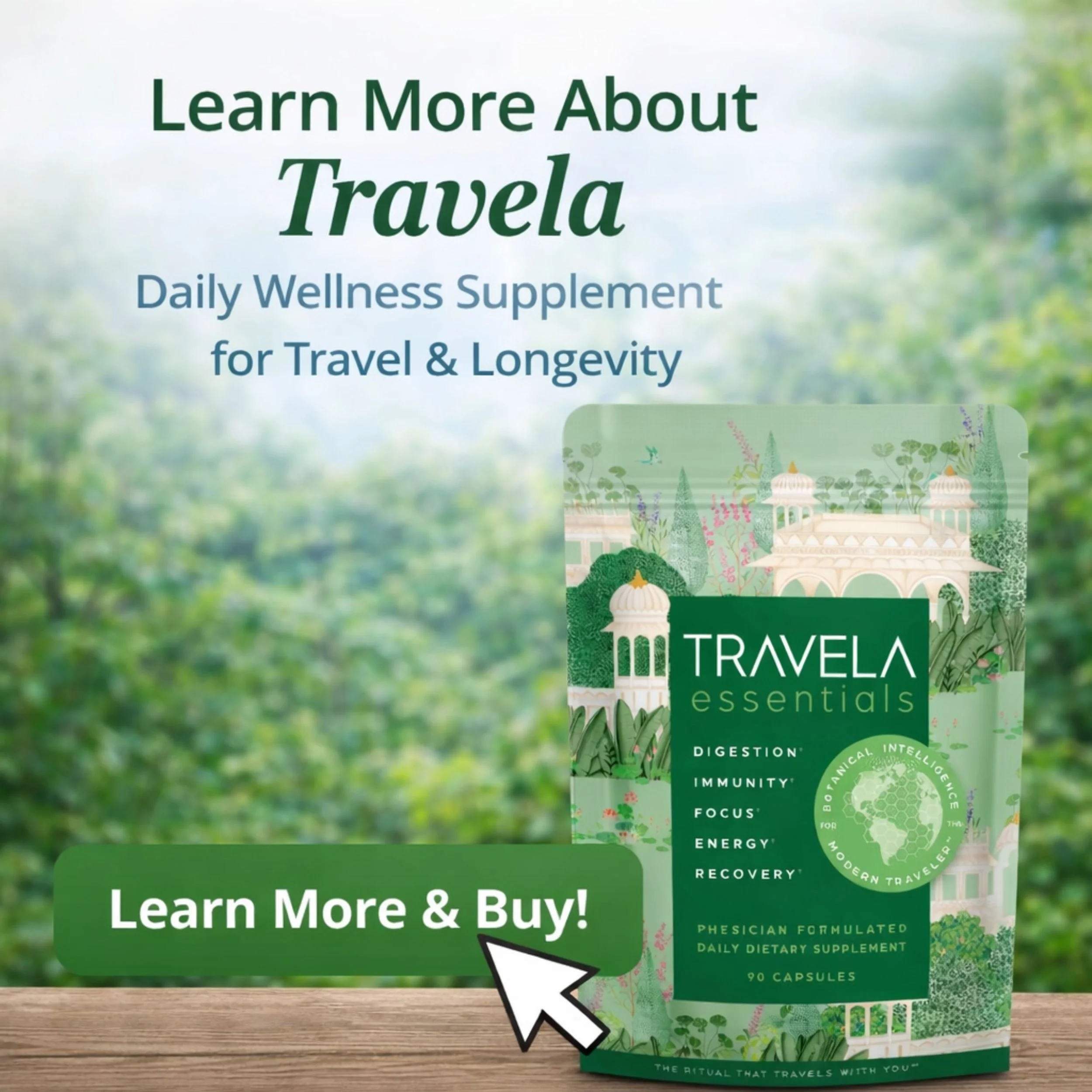
The Fix: We need to support mitochondrial biogenesis: the creation of new power plants. This is where specific nutraceuticals come into play. I specifically formulated our Travela Essentials with PureQQ® (Pyrroloquinoline quinone).
Think of PureQQ® as a spark plug for your cells. It’s been shown to promote the growth of new mitochondria, helping you maintain energy and focus even while your body is undergoing significant metabolic shifts.
4. Overlooking Oxidative Stress
Rapid weight loss and metabolic changes are, ironically, stressful for the body. As fat cells shrink, they can release stored toxins and inflammatory markers into the bloodstream. This creates oxidative stress, which can damage your cellular membranes and lead to premature aging.
To combat this, your body needs its "Master Antioxidant": Glutathione. However, the stress of modern living: and the demands of a new medication: can quickly deplete your glutathione stores.
The Fix: Support your internal defense system. In Travela Essentials, we use Setria® Glutathione, a clinically studied form that is highly absorbable. By neutralizing free radicals, you aren't just losing weight; you’re protecting your cellular resilience from the inside out.

How to Build a "GLP-1 Proof" Gut Ritual

Managing your health shouldn't feel like a second job. It’s about intentional lifestyle design. If you want to maximize the benefits of your GLP-1 while minimizing the "gut gremlins," here is your physician-approved checklist:
Hydrate with Intent: Don't just drink water; ensure you have adequate electrolytes. Dehydration is a leading cause of the nausea associated with these medications.
Prioritize "CellCare" Nutrients: Don't guess: use targeted support. Travela Essentials provides the foundational PQQ and Glutathione your mitochondria crave.
Move Your Body: Resistance training is the best way to signal to your body that it needs to keep its muscle. Even 20 minutes a day makes a difference!
Mind the Barrier: Support your gut lining with botanicals like Amla and Holy Basil (both found in our signature blends) to soothe inflammation.

Ready for a Total Reset?

If you feel like you’ve been "doing all the things" but still aren't feeling your best, it might be time for a deeper dive. Our Cell Revive Program at the WELLKULÅ Institute is designed to bridge the gap between advanced science and holistic healing.
We don't just look at the scale; we look at your cellular resilience. We help you navigate the complexities of gut health, nervous system regulation, and longevity so you can age intentionally and vibrantly.
Let's stop just "getting through" the side effects and start thriving in your new body.


MAKE A DIFFERENCE BY SHARING THIS ARTICLE WITH OTHERS TO ENCOURAGE WELLBEING ⤵
The information on this website has not been evaluated by the Food & Drug Administration or any other medical body. We do not aim to diagnose, treat, cure or prevent any illness or disease. Information is shared for educational purposes only. You must consult your doctor before acting on any content on this website, especially if you are pregnant, nursing, taking medication, or have a medical condition. Our content may include products that have been independently chosen and recommended by Dr. Monisha Bhanote and our editors. We may earn a small commission if you purchase something mentioned in this article.
YOU MAY ALSO LIKE:





by Dr. Monisha Bhanote
✅ EVIDENCE-INFORMED REVIEWED ARTICLE