
Cellular Health, Stress, and the Science of Living Lighter | Dr. Monisha Bhanote on The School of Living Lighter Podcast
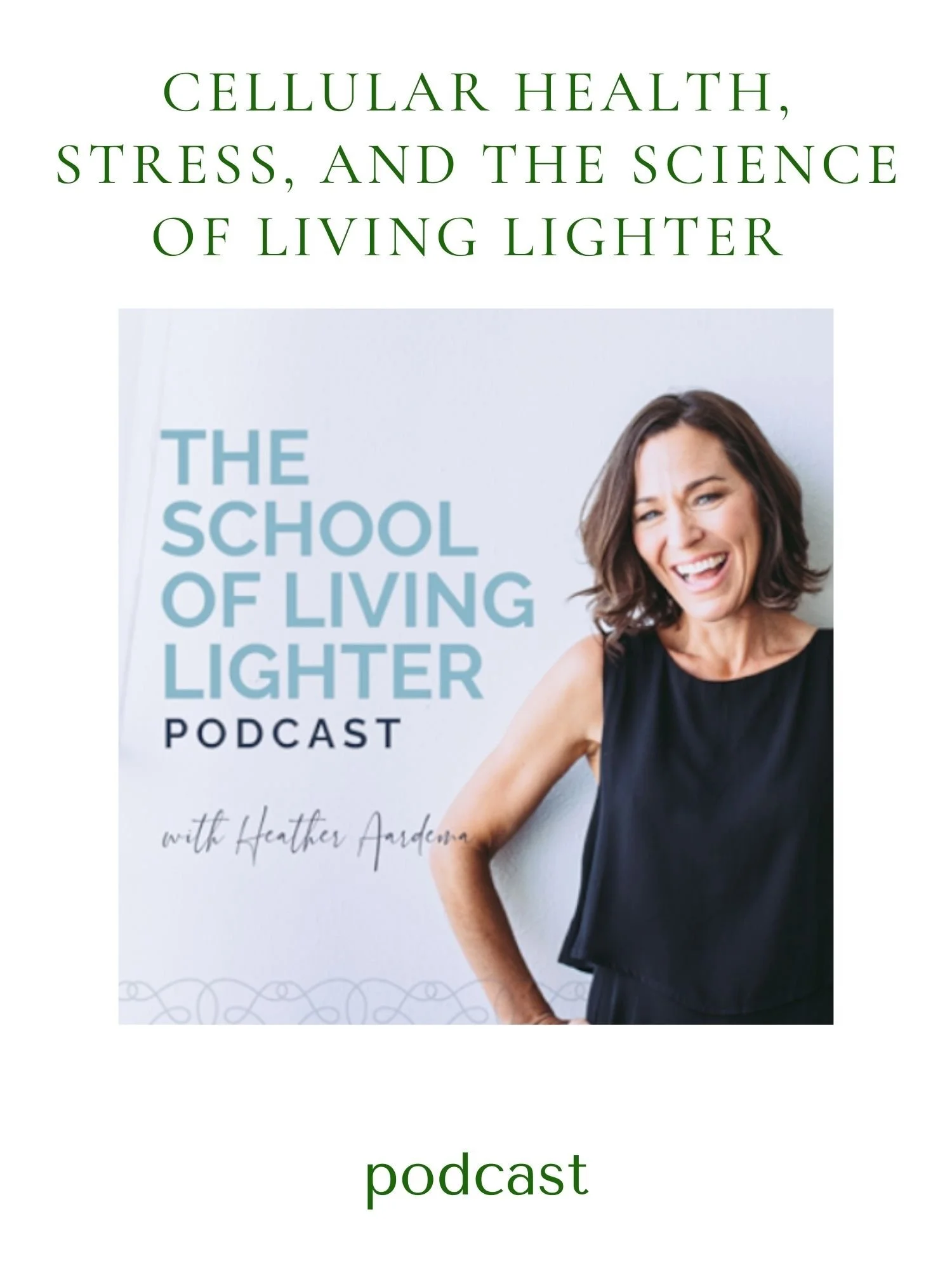
Dr. Monisha Bhanote was recently featured on The School of Living Lighter Podcast, where she shared a deeply grounded, science-backed perspective on how everyday choices shape our health at the cellular level. As a quintuple board-certified physician, founder of Wellkulå Institute, and pathologist who spent decades studying living human cells under a microscope, Dr. Bhanote brings a rare lens to modern wellness—one rooted in biology, not trends.
This conversation invites listeners to rethink disease, stress, and healing—not as isolated events, but as slow, cumulative processes influenced by how we live each day.
You can listen to the full episode here or in your favorite podcast player.
In This Episode, We Cover:
1. What Cells Reveal About Disease (and Prevention)
Dr. Bhanote begins by reframing pathology—not as a discipline focused on death, but as a study of life, adaptation, and transformation. Through years of reviewing biopsies from routine screenings such as mammograms and colonoscopies, she observed a consistent truth: many cellular changes linked to disease are not genetically predetermined, but driven by lifestyle signals accumulating over time.
She challenges the widespread belief that cancer is mostly inherited, explaining that 90–95% of cancers are not genetic. Instead, our 37 trillion cells constantly respond to inputs like food, sleep, movement, and stress—either strengthening resilience or accelerating breakdown long before symptoms appear.
2. Inflammation Is a Process, Not an Event
Using reflux disease as a clear example, Dr. Bhanote explains how chronic irritation alters tissue at a cellular level. While medications may suppress symptoms, they often fail to address root causes such as eating patterns, food choices, and stress.
Under prolonged exposure, cells adapt in order to survive—sometimes transforming into different cell types that can progress from inflammation to precancerous changes. What concerns Dr. Bhanote most is that patients are rarely educated about this gradual progression or empowered to intervene early, when reversal is still possible.
3. Outer Order, Inner Calm | How Clutter Affects Biology
A central theme of the episode is Dr. Bhanote’s concept of “outer order, inner calm.” She explains that physical clutter is not neutral—it creates continuous low-grade stress that disrupts sleep, elevates inflammation, and accelerates biological aging.
She draws a powerful parallel between disorganized spaces and mental overload, noting that unfinished decisions and constant visual clutter keep the stress response activated. Over time, this affects cortisol levels, digestion, immune function, and mitochondrial energy—changes she has repeatedly observed at the cellular level.
4. Rituals, Fiber, and the Lighter Path Forward
Rather than rigid routines, Dr. Bhanote advocates for rituals—intentional, flexible practices that restore calm without adding pressure. Simple habits like nightly surface resets or never leaving a room empty-handed can compound over time to reduce stress and inflammation.
She also emphasizes a fiber-first approach to nourishment, explaining that many people are undernourished at a cellular level due to insufficient fiber intake. Fiber fuels the gut microbiome, supports immune function (with nearly 70% of the immune system residing in the gut), and helps regulate inflammation, mood, and metabolism.
Listen to the Full Episode
Dr. Monisha Bhanote’s appearance on The School of Living Lighter Podcast offers a science-backed reminder that longevity and resilience are built through awareness, education, and small, intentional shifts. By listening to the body, reducing both physical and mental clutter, and honoring daily rituals, healing becomes sustainable—and deeply personal.
Listen to the full episode here or on your preferred podcast platform to explore how cellular health, stress regulation, and intentional living come together to support true well-being.

More Resources from Dr. Bhanote
Signup for our #CellCare Wellness Newsletter
Attend One of Our Longevity Retreats
Learn more about Travela Wellness Supplements
Download our Removing Toxins & Optimizing Gut Health Guide
Get Your Copy of Dr. Bhanote’s Book,The Anatomy of Wellbeing (now available on audiobook)


Connect with Dr. Bhanote
Instagram https://www.instagram.com/drbhanote/
Pinterest https://www.pinterest.com/drbhanote/
Facebook https://www.facebook.com/drbhanote
Personalized Solutions
Cell Revive Program | Restore Your Cellular Health | Schedule Your New Patient Discovery Call

MAKE A DIFFERENCE BY SHARING THIS ARTICLE WITH OTHERS TO ENCOURAGE WELLBEING ⤵
The information on this website has not been evaluated by the Food & Drug Administration or any other medical body. We do not aim to diagnose, treat, cure or prevent any illness or disease. Information is shared for educational purposes only. You must consult your doctor before acting on any content on this website, especially if you are pregnant, nursing, taking medication, or have a medical condition. Our content may include products that have been independently chosen and recommended by Dr. Monisha Bhanote and our editors. We may earn a small commission if you purchase something mentioned in this article.
YOU MAY ALSO LIKE:





by Dr. Monisha Bhanote
✅ EVIDENCE-INFORMED REVIEWED ARTICLE